The Handwritten Touch That Feels Like a Love Letter to Your Brand
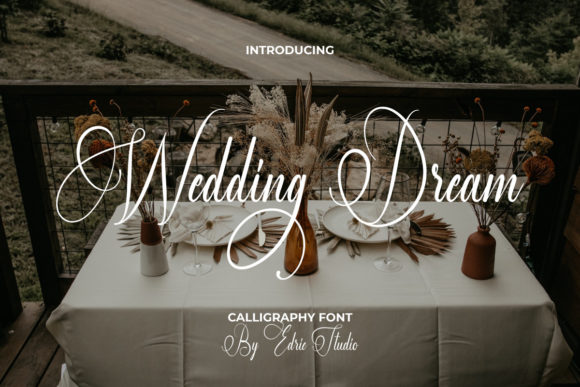
There’s a reason handwritten fonts have become a staple in modern design. They carry an immediate warmth, a sense of personality, and a human touch that rigid, geometric typefaces simply can’t replicate. They whisper rather than shout, inviting the viewer in with a familiar, personal elegance. When that handwritten style is refined enough to feel both charming and sophisticated, it becomes a powerful tool for communication. It’s this specific balance that makes a font like Wedding Dream so compelling. It doesn't just mimic handwriting; it captures the feeling of a thoughtful, handwritten note, making it ideal for projects where connection and elegance are paramount.
Beyond the Invitation: Crafting a Cohesive Visual Language
While the name suggests a primary use case, limiting a typeface like this to wedding stationery is a missed opportunity. Its real strength lies in its ability to inject personality into a brand system, creating a consistent and recognizable visual language. Think of a boutique bakery that uses this script for its logo, menu headers, and packaging stickers. The repetition of that specific, elegant letterforms builds instant brand recognition. It tells customers, before they even taste a macaron, that this business cares about detail, craftsmanship, and a personal touch.
This principle extends across industries. For a small skincare brand, using this handwritten font on product labels, thank-you cards, and social media graphics creates a cohesive story of artisanal care. For a content creator, applying it to blog post titles, quote graphics, and video thumbnails establishes a signature aesthetic that followers can spot immediately. The goal isn’t to use the font everywhere, but to use it strategically as a consistent thread that ties all your visual communications together, strengthening your brand identity with every application.
The Art of Pairing: Balancing Elegance with Readability
A font as distinctive as Wedding Dream is a display font at heart. It’s designed for impact in headlines, logos, and short phrases, not for long paragraphs of body copy. The key to using it effectively is understanding the art of font pairing. Its flowing, connected script needs a clean, simple companion to ensure your message remains clear and professional.
For digital platforms like websites and blogs, pair it with a highly legible sans serif font for navigation, subheadings, and body text. A font like Lato, Open Sans, or Montserrat provides a modern, neutral backdrop that lets the script shine without competing for attention. This combination offers the best of both worlds: the personality of the script and the clarity needed for readability on screens.
In print materials—think business cards, posters, or packaging design—the same rule applies. Use the script for a powerful header or a brand name, and set your contact information or product details in a sturdy, classic serif font like Garamond or a sans serif like Futura. This contrast creates visual hierarchy, guiding the viewer’s eye exactly where you want it to go. Always test your pairings at the size they’ll be used; a script that looks stunning at 72pt on a poster might lose its charm and become illegible at 10pt on a business card.
Unlocking Creative Potential with PUA Encoding
One of the most practical advantages of a premium font like this is its technical construction. Being PUA (Private Use Area) encoded is a significant benefit for designers and creators. This means that all the extra stylistic swashes, ligatures, and alternate characters are accessible in any standard design software, from Adobe Illustrator and Photoshop to Canva and Procreate. You don’t need advanced typographic knowledge to use them.
These extras are what allow you to customize your text and make it feel truly unique. Want a more flourished capital letter for a logo? Access the glyph panel. Need a special connection between two letters in a word for a monogram? There’s likely a ligature for that. This level of customization is what elevates a design from using a font to truly owning it. It allows for intricate details in logo design, elaborate monograms for merchandise, or standout initials in editorial layouts. For social media graphics, these swashes can make a simple quote feel like a piece of art, driving higher engagement.
Practical Considerations for Commercial Projects
When you find a creative font that fits your project, it’s crucial to consider the licensing. Fonts are software, and their use is governed by licenses. A personal use license is often free, but if you’re creating anything for a business, a client, or for sale, you need a commercial license. This applies to all design assets.
Before purchasing, review the license details. Does it cover a single user or a whole team? Is it valid for unlimited projects, or is it per-project? Are there restrictions on use in digital products like templates sold on Etsy, or in marketing assets for paid advertising? Reputable font foundries are very clear about these terms. Ensuring you have the proper license protects you legally and supports the typographers who create the tools we rely on. For a font you’ll use as a cornerstone of your brand, investing in the correct commercial license is a non-negotiable part of the professional design process.
Ultimately, the value of a typeface like Wedding Dream lies in its ability to communicate a specific feeling. It’s not just about pretty letters; it’s about evoking charm, elegance, and a personal connection. Whether you’re designing a wedding suite, building a boutique brand, or crafting compelling marketing assets, choosing a font that aligns with your project’s emotional core is what makes the difference between something that looks good and something that feels right. By pairing it thoughtfully, using its features fully, and respecting its licensing, you can harness that handwritten touch to create designs that are not only beautiful but also strategically sound and deeply engaging.